
2026 Heritage Award Winners
Awards of Merit for Rehabilitation
The Clements House, Rolling Fork
Built in 1891 by Dr. Early Clements and his wife, Ann Foote Clements, the Clements House is the oldest surviving residence in Rolling Fork and has remained in the same family for more than 135 years. Today, the home is owned by their great-great-granddaughter, Vicki Murray.
Following years of deferred maintenance and damage from the devastating 2023 tornado, the home underwent a comprehensive rehabilitation. General Contractor Danny Fulton worked with Vicki to ensure that the original architectural features were preserved while adapting the house for use as a bed and breakfast.
The project utilized both Federal and State Historic Tax Credits and stands as a symbol of resilience, stewardship, and long-term community investment.
Foster's Mound, Natchez
Combining log construction dating to the 1800s with later Greek Revival additions, Foster's Mound is a rare vernacular plantation house in Adams County that was built on top of a Native American mound.
In 2022, the historic home suffered extensive fire damage. Owners Missi and Butch Johnson utilized historic tax credits to save this important architectural landmark that speaks to the layered cultural history of the Natchez region.
The Briars, Natchez
Constructed in 1818, The Briars is one of Natchez’s most significant historic residences. Perched atop the high bluffs overlooking the Mississippi River, The Briars was the childhood home of Varina Howell Davis and the site of her marriage to Jefferson Davis in 1845.
After sitting vacant for many years, the Newman family undertook a major rehabilitation project utilizing historic tax credits that restored missing architectural features, stabilized the historic structure, and adapted the property for use as an event venue. Today, The Briars once again serves as a vibrant part of the Natchez community while preserving an important piece of Mississippi history.
Carnation Village, Tupelo
Originally constructed in 1927 as the Carnation Milk Plant, Carnation Village once played an important role in Tupelo’s economic development.
Through a public-private partnership led by Intervest, the long-vacant structure was transformed into a senior housing development that preserves its industrial character while adapting it for residential use.
The rehabilitation utilized Federal and State Historic Tax Credits as well as Low Income Housing Tax Credits and included the preservation of significant architectural features like the 110-foot smokestack.
Today, Carnation Village stands as an example of how historic preservation and adaptive reuse can support both community revitalization and affordable housing needs.
Farragut Lofts, Bay Saint Louis
Originally constructed around 1925, Bay Saint Louis's W. A. McDonald & Sons Hardware Store has been transformed into Farragut Lofts, a mixed-use development featuring housing, a restaurant, and commercial space.
Nearly ninety percent of the original building fabric was preserved, including heart pine framing and corrugated metal siding. The project also introduced energy-efficiency improvements while maintaining the building’s industrial character.
This adaptive reuse project demonstrates how preservation and sustainability can work hand in hand to revitalize historic buildings.
Leonard Court, Jackson
Leonard Court is in Jackson’s historic Farish Street neighborhood, a once thriving African American community that played a vital role in the cultural, commercial, and social life of Jackson.
Led by Gulf Coast Housing Partnership, the Leonard Court project includes the rehabilitation of 67 historic residences originally built for working-class African American families. The project demonstrates how historic preservation, affordable housing, and community investment can work together to strengthen historic neighborhoods.
Key contributors to the success of the project include Dorthy Davis with Farish Street Community of Shalom and We Will Go, Mississippi Department of Archives and History; Jackson Historic Preservation Commission; Mississippi Home Corporation; Mississippi Regional Housing Authority VI; Belinda Stewart Architects; Grant Ethridge Construction; Cadence Bank, United Bank, Hunt Capital Partners; and the residents of the Farish Street Neighborhood.
Aldrich Building, Natchez
Constructed in 1869, the Aldrich Building is an important part of Natchez’s historic downtown. Bridget and Glenn Green recently completed an extensive rehabilitation of the property leveraging Federal and State Historic Tax Credits to convert the upper levels into high-end residential units while preserving the commercial function of the ground floor.
The project included repurposing a rare historic privy and cotton warehouse located at the rear of the property into a guesthouse.
Today, the Aldrich Building stands as inspiration for the continued revitalization of downtown Natchez through preservation and adaptive reuse.
115 South Lafayette, Starkville
Originally constructed as an automotive repair shop and later home to a candle factory and the Starkville Korean Church, 115 South Lafayette had undergone years of alterations that obscured its historic character.
Recognizing the building’s good bones, Mark Castleberry of Castle Properties undertook a thoughtful rehabilitation utilizing Federal and State Historic Tax Credits that removed incompatible modifications, reopened historic window bays, restored original masonry, and revealed industrial-style ceilings that had long been concealed.
Today, the rehabilitated building contains two commercial spaces and stands as an excellent example of how adaptive reuse and preservation can contribute to the continued revitalization of downtown Starkville.
Lagniappe, Leland
Through the vision and leadership of the Smythe family, Lagniappe has become a significant catalyst for downtown revitalization in the Mississippi Delta town of Leland.
Utilizing Federal and State Historic Tax Credits, the project transformed six long-vacant buildings into a bookstore, wellness center, gift shop and interior design business while preserving the historic character of the district. Architect Kudzu Collective designed historically appropriate storefronts inspired by photographs captured during the Great Flood of 1927, while interior designer Sarah Smythe helped create welcoming spaces that have drawn visitors and new investment to downtown.
More than a rehabilitation project, Lagniappe has sparked renewed energy, business development, and community pride in Leland, demonstrating the transformative impact that preservation can have in Mississippi’s small towns.
Photo by Andrew Welch
The Mayflower Café, Jackson
When Jerry Kountouris announced that he was closing the Mayflower Café after 89 years, devotees of the downtown Jackson restaurant wrung their hands. In stepped Kane Ditto with Statestreet Group and Chef Hunter Evans to bring new life to this Mississippi treasure.
Federal and State Historic Tax Credits helped to repair original tilework and exterior features, restore the original ceiling height in the dining room, and modernize the kitchen and restroom facilities. Thanks to A+ Signs and Creative, the iconic neon sign once again welcomes hungry visitors.
The Traveler Café and Art, Ocean Springs
The Walter Anderson Museum of Art has transformed a 1911 coastal cottage into The Traveler Café and Art, a vibrant gathering space for food, conversation, music, and creativity. The project preserved historic materials throughout the building while introducing artwork, gardens, murals, and community-centered design elements that celebrate the artistic spirit of Ocean Springs and the legacy of Walter Anderson.
Key partners in the project included Women in Construction and Argus Construction, whose thoughtful approach to rehabilitation helped to restore the cottage to become an inspiring example of creative adaptive reuse.
The Grenada Depot, Grenada
Once the center of community life, the historic Grenada Depot had been largely vacant and underutilized for decades.
Utilizing Federal and State Historic Tax Credits, Pinsly Railroad Company embraced the challenge of bringing new life to this landmark to become its regional office. The project restored historic masonry, windows, doors, freight areas, and loading docks while carefully integrating modern systems.
McComb City Railroad Depot Museum, McComb
When news spread about the devastating fire that swept the McComb City Railroad Depot Museum in 2021, preservationists shuddered to think what would happen to the historic structure. Determined to save this place that tells the story of how the “iron horse” train helped shape the development of South Mississippi, Ganeath and Sam Daniel stepped forward to lead efforts to restore and reopen the museum, safeguarding both the structure and its important railroad artifacts.
Their dedication ensured that McComb’s railroad heritage will continue to be shared with future generations.
Yazoo and Mississippi Valley Railroad Depot, Natchez
Constructed in 1910 on the banks of the Mississippi River, the Yazoo and Mississippi Valley Railroad Depot once connected Natchez with the world. Over a ten-year restoration, the City of Natchez and partners including Mississippi Department of Archives and History, Waycaster Dungan Architecture and Engineering, Wilmar Construction, R.L. Blanton Construction, and Paul Jackson & Son Contractors have transformed the historic depot into a welcome center and event venue.
With assistance from a Community Heritage Preservation Grant, the most recent restoration addressed historic woodwork, terrazzo floors, windows, doors, and interior finishes as well as the building’s distinctive terra cotta roof.
Ballew Hall, Starkville
Generations of Mississippi State University students in the College of Agriculture and Life Sciences have studied at stately Ballew Hall. A recent rehabilitation transformed former laboratories, cold storage areas, and meat processing spaces into modern offices and classrooms to meet the needs of future students.
The project preserved many of the building’s original materials, including masonry, stone detailing, distinctive green glazed tile accents, exposed concrete beams, and metal transport tracks. Today, Ballew Hall once again serves as an active center of campus life while preserving an important piece of Mississippi State’s agricultural heritage.
Elizabeth Cottage, Brookhaven
Constructed in 1913 as a residence for Whitworth College’s president, Elizabeth Cottage is one of the oldest structures on the campus of Brookhaven’s Mississippi School for the Arts. In poor condition due to water damage, the building recently received a major makeover.
With funding from the Mississippi Department of Archives and History’s Community Heritage Preservation Grant Program, architects Boggan and Vaughn and Paul Jackson & Son Contractors helped to restore Elizabeth Cottage to become a space for guest artist residencies, literary programming, and student events.
Angelety House, Natchez
A distinctive blend of Greek Revival and Gothic Revival styles, the Angelety House is one of Natchez’s most important African American historic landmarks. Constructed c. 1850, the house is named for Emile Angelety, an African American brick mason and contractor who lived there at the turn of the century.
An extensive restoration was recently completed with the assistance of a Community Heritage Preservation Grant from the Mississippi Department of Archives and History, which addressed the masonry, roof, woodwork, and architectural details of the historic structure while adding accessibility improvements for continued community use.
Partners in the project included the City of Natchez, Waycaster Dungan Architecture and Engineering, Wilmar Construction, and the Historic Natchez Foundation.
Today, the building serves as the home of the Southwest Mississippi Chapter of the Coalition of 100 Black Women, continuing its legacy as a place of community engagement.
The Blackwell Freedom House, Mayersville
The Blackwell Freedom House is one of Mississippi’s most important Civil Rights landmarks. It was from this modest shotgun house in Mayersville that Unita Blackwell organized voting rights efforts during the 1960s, rising to become Mississippi’s first Black woman mayor and a nationally recognized civil rights leader.
The Mississippi Heritage Trust named the house as one of Mississippi’s 10 Most Endangered Historic Places in 2021. In response, an extraordinary partnership came together to save the site. Led by The Lighthouse | Black Girls Project, the project included SouthWay Foundation, Unita Blackwell’s son Jeremiah Blackwell, Jr., Mayor Linda Short, Belinda Stewart Architects, and LeFlore Construction.
Current restoration efforts focused on the painstaking exterior stabilization, preserving its physical integrity while laying the foundation for future interpretation and public engagement.
Brookhaven City Hall, Brookhaven
When the old Hartman-Harrigan Funeral Home closed its doors, John Lynch saw an opportunity to bring Brookhaven City Hall downtown. Utilizing state and federal historic tax credits, the c. 1889 building has been transformed into beautiful civic space through an innovative public-private partnership.
Highlights of the restoration include state-of-the-art technology, spacious offices and meeting rooms, and adequate parking. Currently under construction, an amphitheater behind the new City Hall will soon host concerts and a farmer’s market.
The architectural firm The Sizemore Group led the three-year, $3.4 million rehabilitation.
Madison City Hall, Madison
The City of Madison has transformed its historic high school into the new Madison City Hall through a thoughtful rehabilitation that preserved the building’s architectural character while adapting it for a new civic use.
The project restored the original stairwells, windows, and classroom spaces while sensitively integrating new offices, accessibility improvements, and updated building systems. As part of the rehabilitation, the auditorium stage was reconstructed and the historic proscenium reopened, restoring the space’s original character and allowing it to once again serve as a centerpiece of community life.
The project demonstrates the City of Madison’s strong commitment to preservation and adaptive reuse while ensuring the continued use of one of the community’s most important historic landmarks.
Columbia Waterworks Building, Columbia
Completed in 1949, the Columbia Waterworks Building is one of Mississippi’s finest examples of Art Moderne architecture. The decade-long project rehabilitated historic railings, windows, and architectural details while adapting portions of the building for public use.
Originally designed as a water treatment facility, the building presented unique challenges in adapting the space for modern use while preserving its historic character.
The project demonstrates the potential for creative reuse of specialized industrial buildings.
Key partners included the City of Columbia, Mississippi Department of Archives and History, Waycaster Dungan Architecture and Engineering, and Daley Construction.
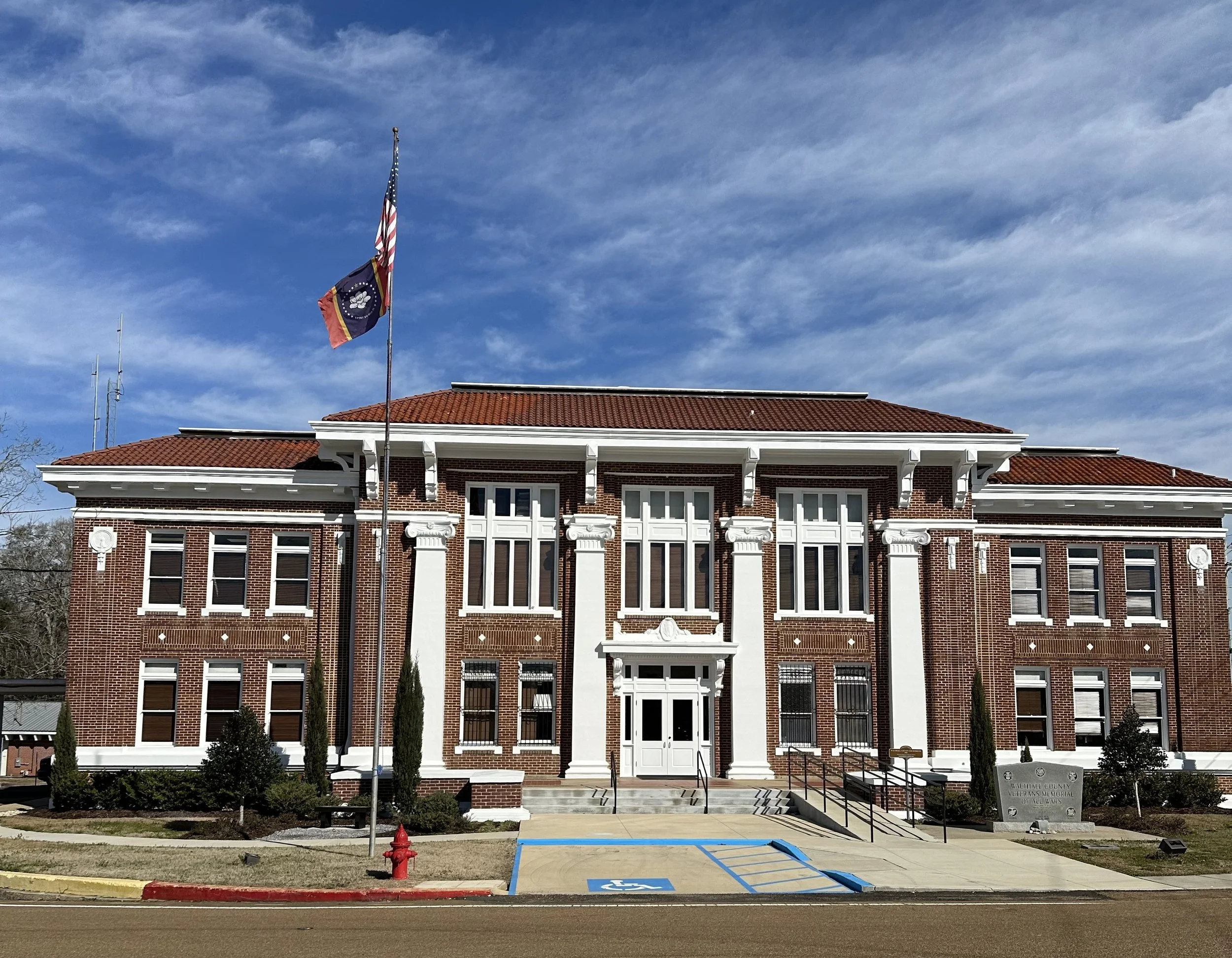
Walthall County Courthouse, Tylertown
Designed by McComb architect Xavier A. Kramer, the c. 1916 Walthall County Courthouse is one of Mississippi’s oldest continually operating courthouses.
Recent rehabilitation efforts restored the courthouse’s historic windows, doors, masonry, terrazzo floors, wood finishes, and courtroom spaces while integrating accessibility improvements and modern building systems. Because the courthouse remained in active use throughout construction, the work had to be carefully phased to allow county government operations, court proceedings, and public services to continue uninterrupted.
The project also preserved an important piece of community memory through the replacement of an earlier veterans memorial display recognizing Walthall County veterans.
Key partners included the Walthall County Board of Supervisors, Waycaster Dungan Architecture and Engineering, and Hanco Corporation.
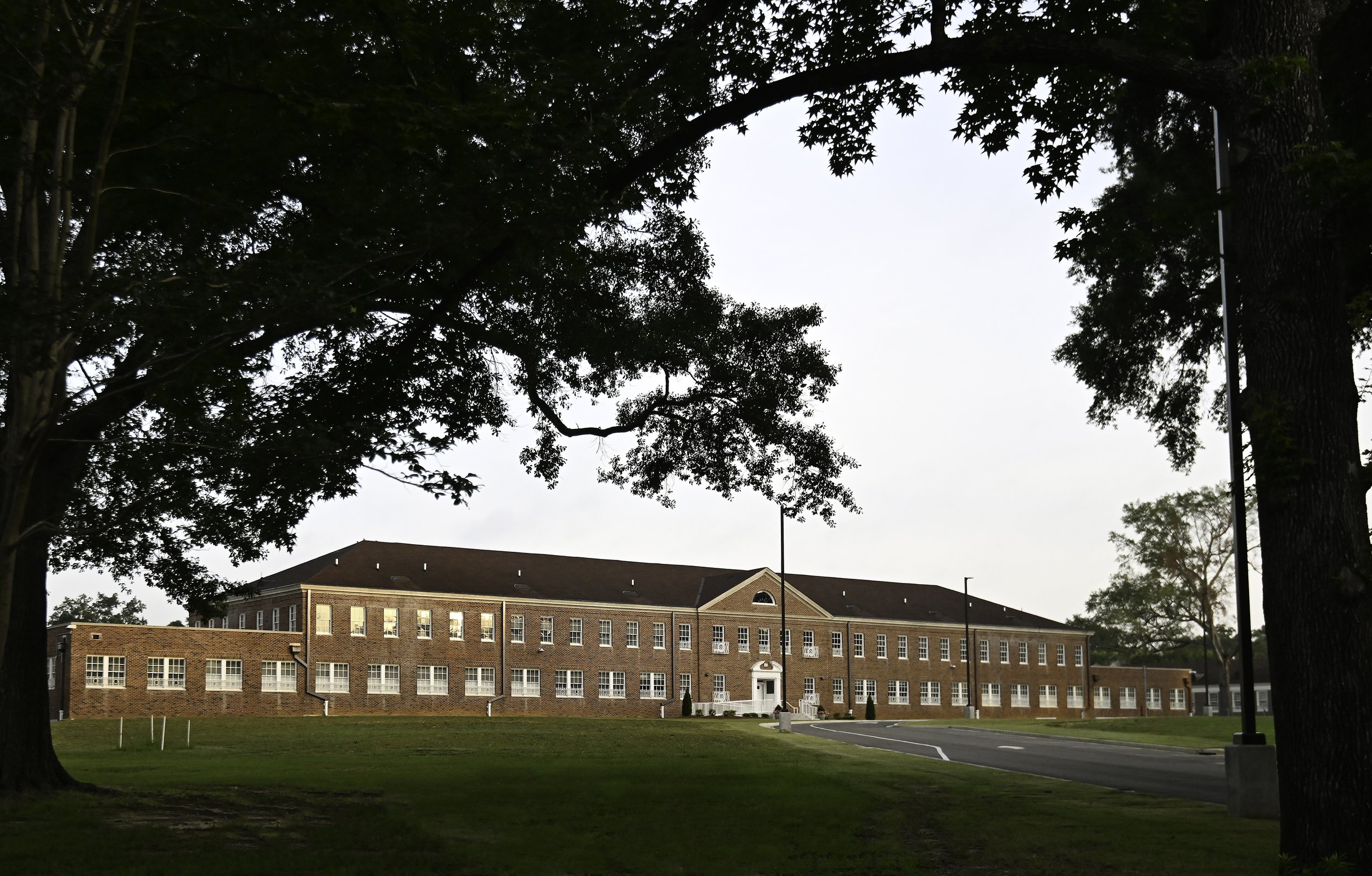
Mississippi State Hospital Building #63, Whitfield
The rehabilitation of Building #63 at the Mississippi State Hospital in Whitfield transformed an underutilized historic building into a state-of-the-art forensic facility. The project included restoration of the building’s steel windows, masonry, and historic terrazzo floors, along with the careful integration of modern mechanical, plumbing, and life-safety systems.
A new addition was constructed in keeping with the character of the original building, allowing the facility to expand while preserving the historic integrity of the campus.
The completed project demonstrates how historic institutional buildings can continue serving communities through thoughtful rehabilitation.
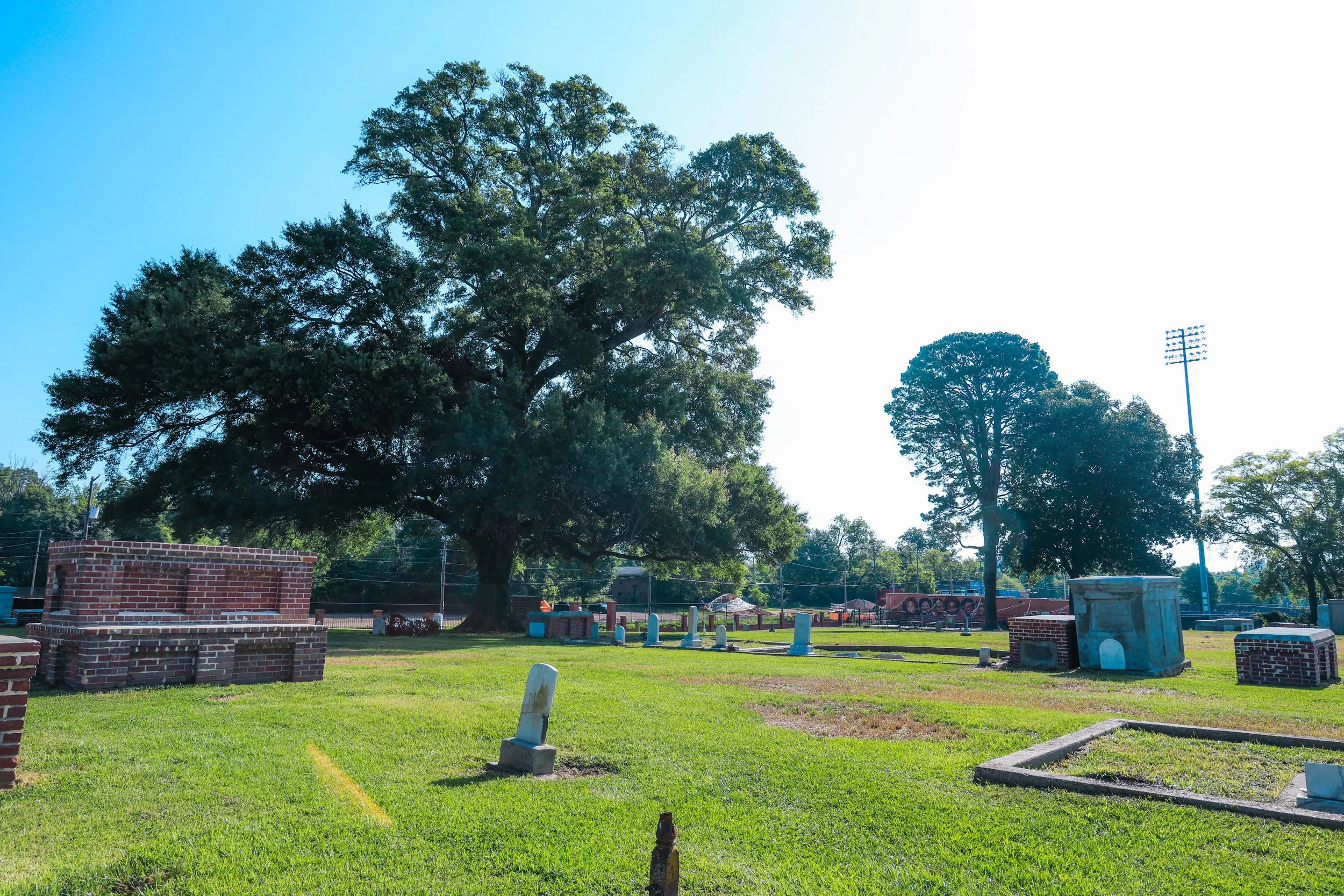
Mt. Olive Cemetery, Jackson
Mt. Olive Cemetery is one of Mississippi’s most significant African American cemeteries and contains the graves and mausoleums of many important community leaders connected to Jackson State University and the city of Jackson.
This conservation project stabilized and restored forty-six historic brick mausoleums through cleaning, repointing, masonry repair, and structural stabilization.
Funded through a National Park Service Historically Black Colleges and Universities Grant, the project helped preserve an irreplaceable cultural landscape tied to Reconstruction, Jim Crow, and the Civil Rights Movement.
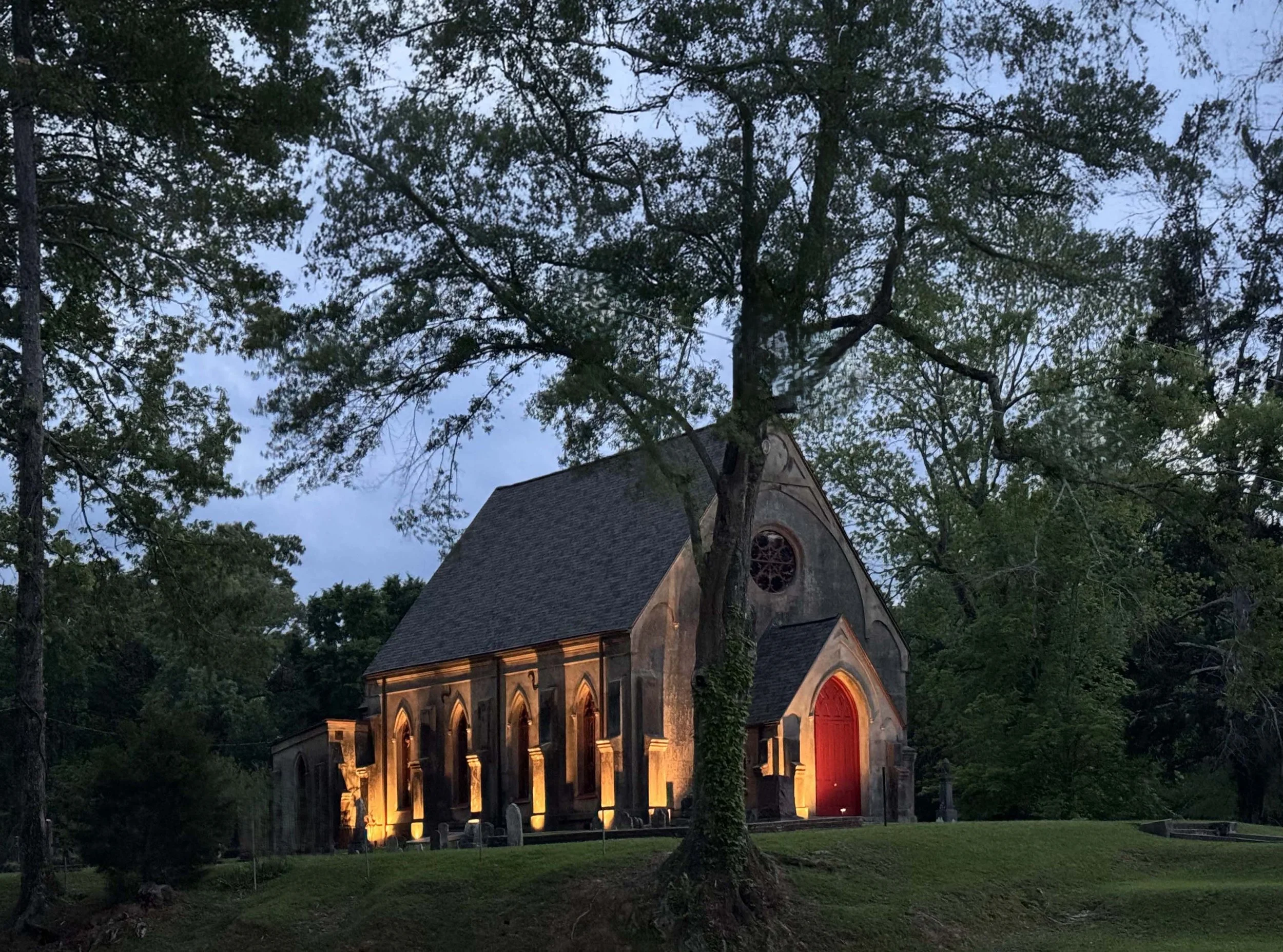
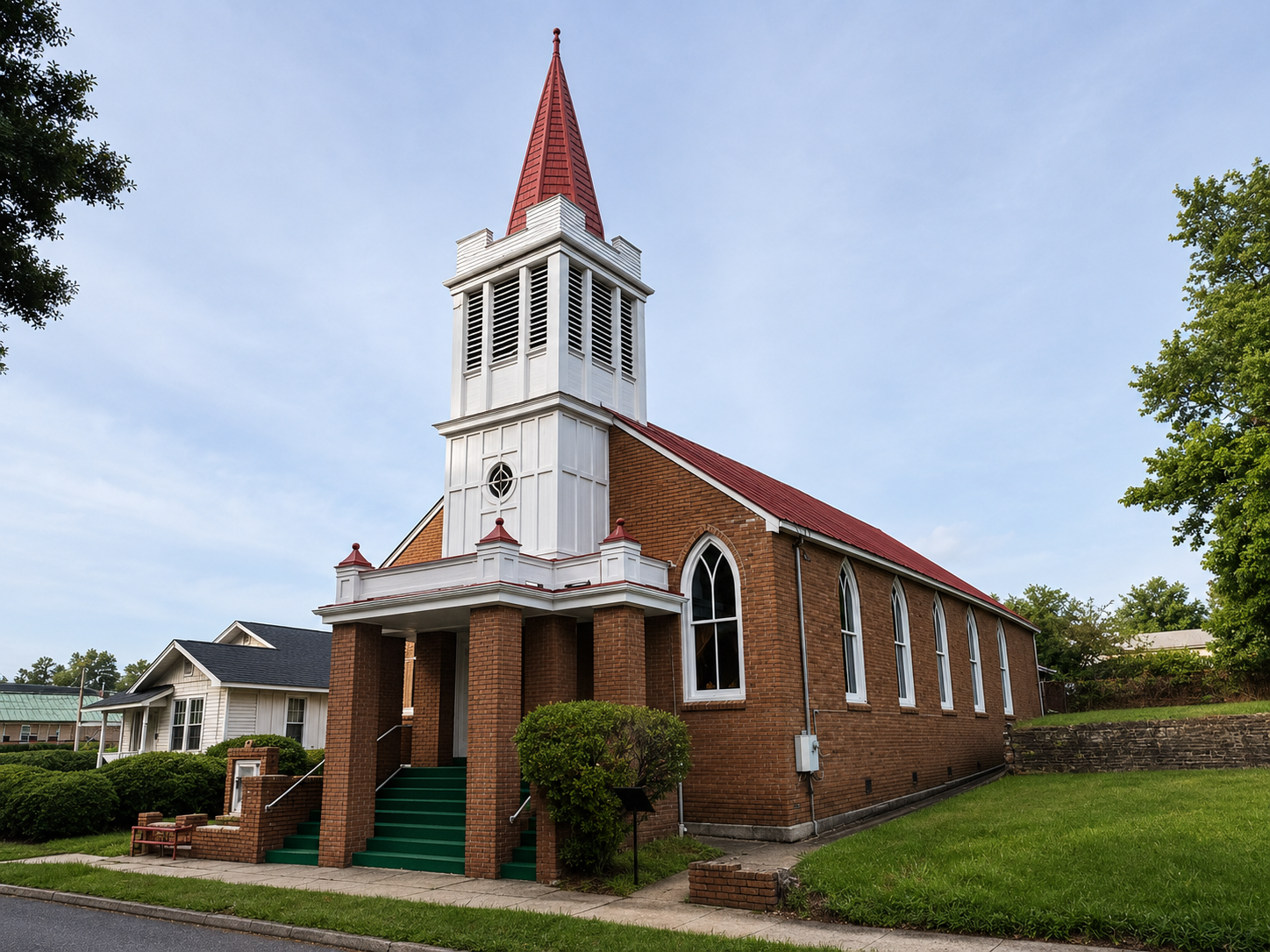
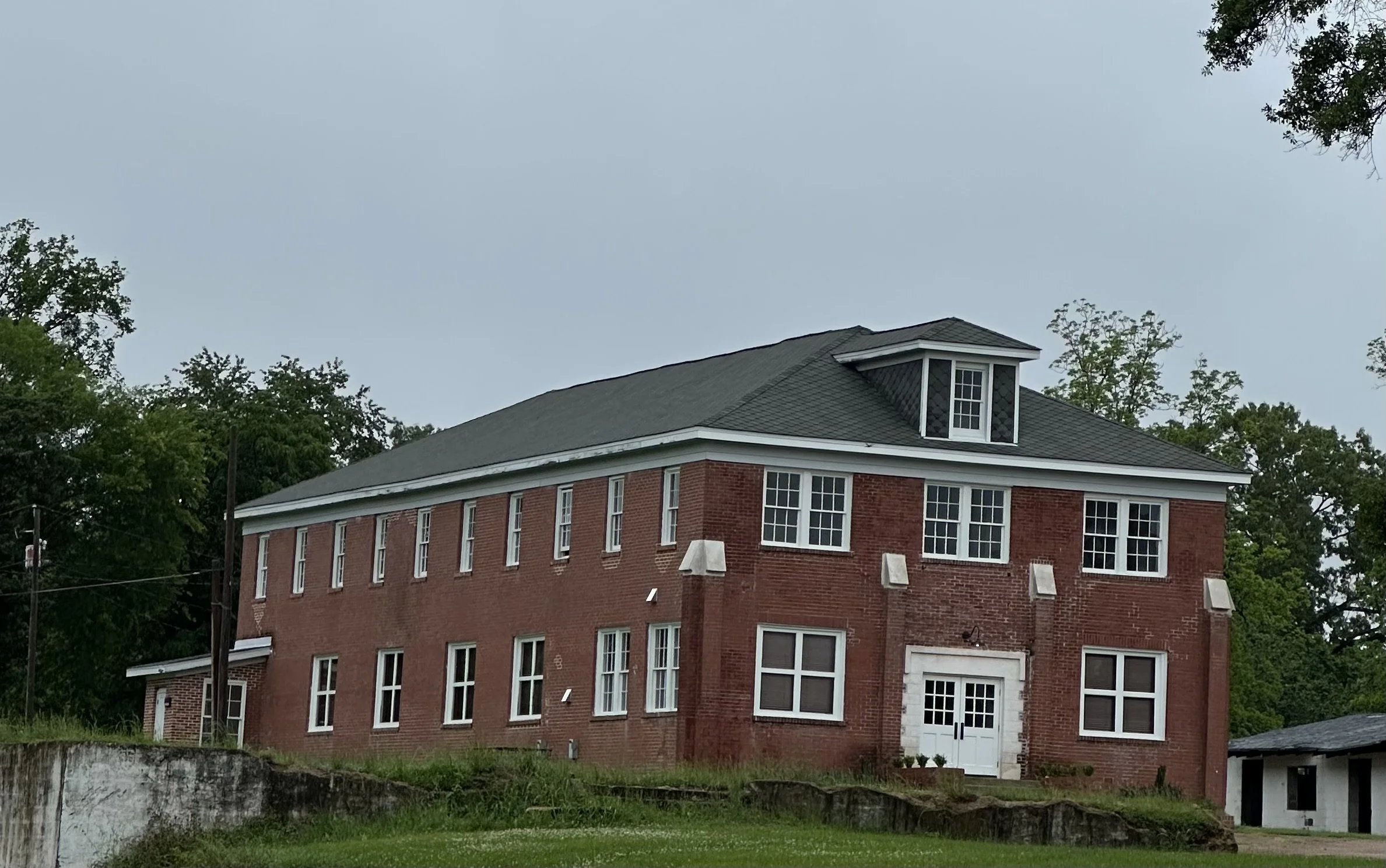
Christ Episcopal Church, Church Hill
Founded in 1820, Christ Episcopal Church is home to the oldest Episcopal congregation in Mississippi and one of the state’s finest examples of Gothic Revival architecture. Designed by architect J. Edwards Smith, the church has been a landmark of faith and community life in Church Hill for more than 165 years.
This meticulous restoration returned the 1858 sanctuary to its historic appearance by recreating the original interior paint scheme. The roof was replaced and heating, cooling, and lighting systems were installed for the first time. The church’s stained-glass windows were carefully restored by Pearl River Glass. Restoration efforts extended into the surrounding graveyard.
The project preserves one of Mississippi’s most significant historic churches and ensures that it will continue serving future generations.
Beulah Missionary Baptist Church, Natchez
Founded in 1912, Beulah Missionary Baptist Church is an important part of Natchez’s religious and community history. Through a partnership with the Historic Natchez Foundation, the church received a $150,000 Preserving Black Churches grant from the National Trust for Historic Preservation to restore the church’s iconic steeple and rehabilitate the exterior of the historic sanctuary, ensuring the long-term preservation of this important landmark.
Project partners included architect Johnny Waycaster and Smith Painting and Contracting.
Huddleston Memorial Chapel, Natchez
Built c. 1904 in the Gothic Revival style, Huddleston Memorial Chapel is one of the few remaining buildings on the campus of historic Natchez College, which once served as a beacon of learning for African Americans.
The General Missionary Baptist State Convention of Mississippi recently restored the building to become the Baptist Heritage and Arts Center. Completed with funding from the Lilly Endowment administered through the Mississippi Department of Archives and History, the project restored historic windows, finishes, and architectural details while adding accessibility improvements and modern infrastructure.
Today, the Baptist Heritage and Arts Center preserves the legacy of Natchez College while providing a space for arts programming, education, and community events.
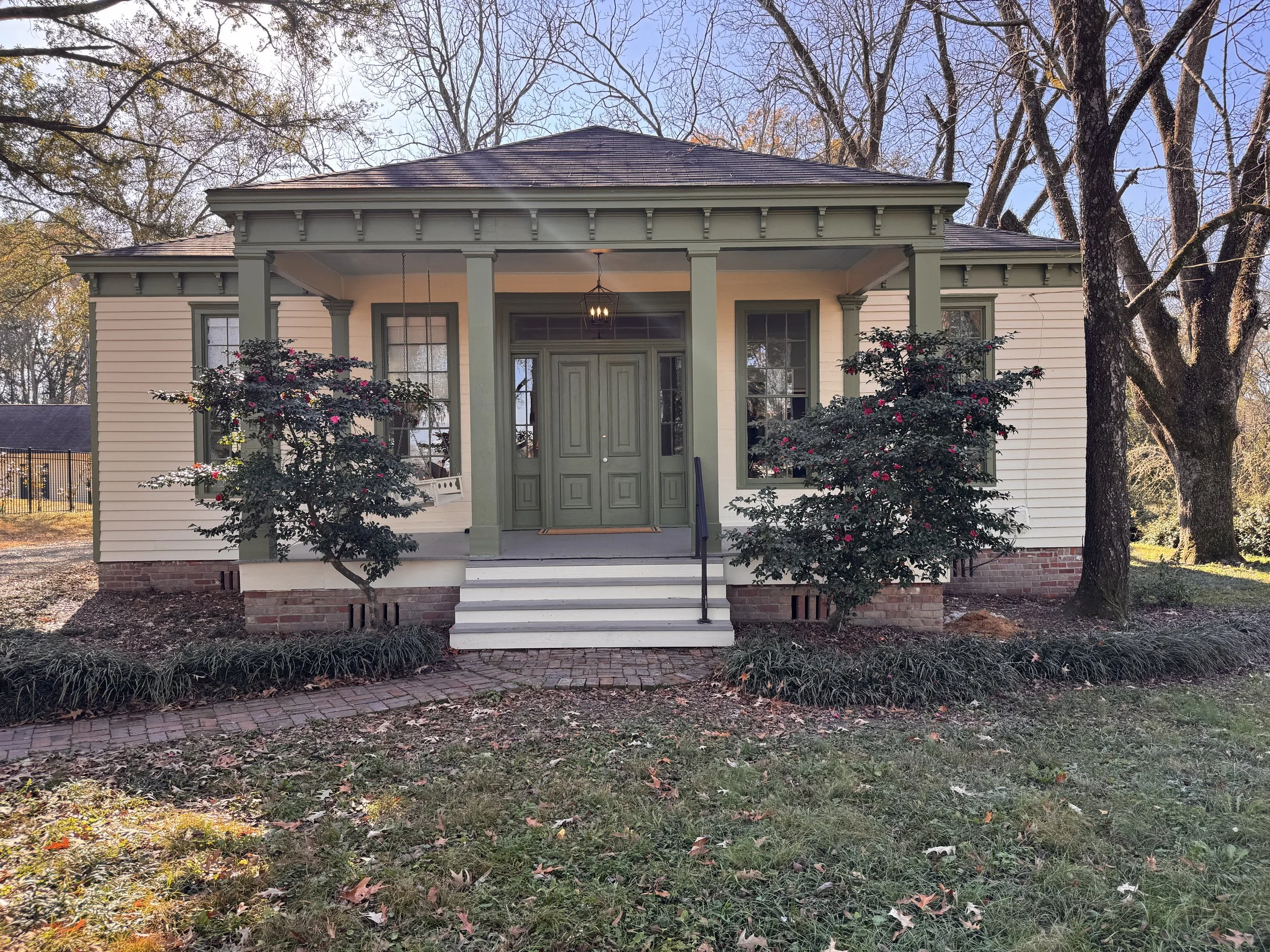
The Luter House, Raymond
Also known as the Old Baptist Parsonage, the Luter House is a c.1850 Greek Revival and Italianate cottage located in historic Raymond. Over the years, the house underwent numerous alterations and suffered deterioration that threatened its historic character.
Through a carefully executed rehabilitation that utilized State and Federal historic tax credits, the owners restored original windows, heart pine floors, decorative Italianate brackets, and other historic architectural features while adapting the home for modern use.
Alan Key of Key Signature Homes was an integral partner in the restoration effort, bringing extensive construction knowledge, creative problem-solving, and a willingness to go the extra mile to preserve historic materials and architectural details whenever possible.
Award of Excellence for Rehabilitation
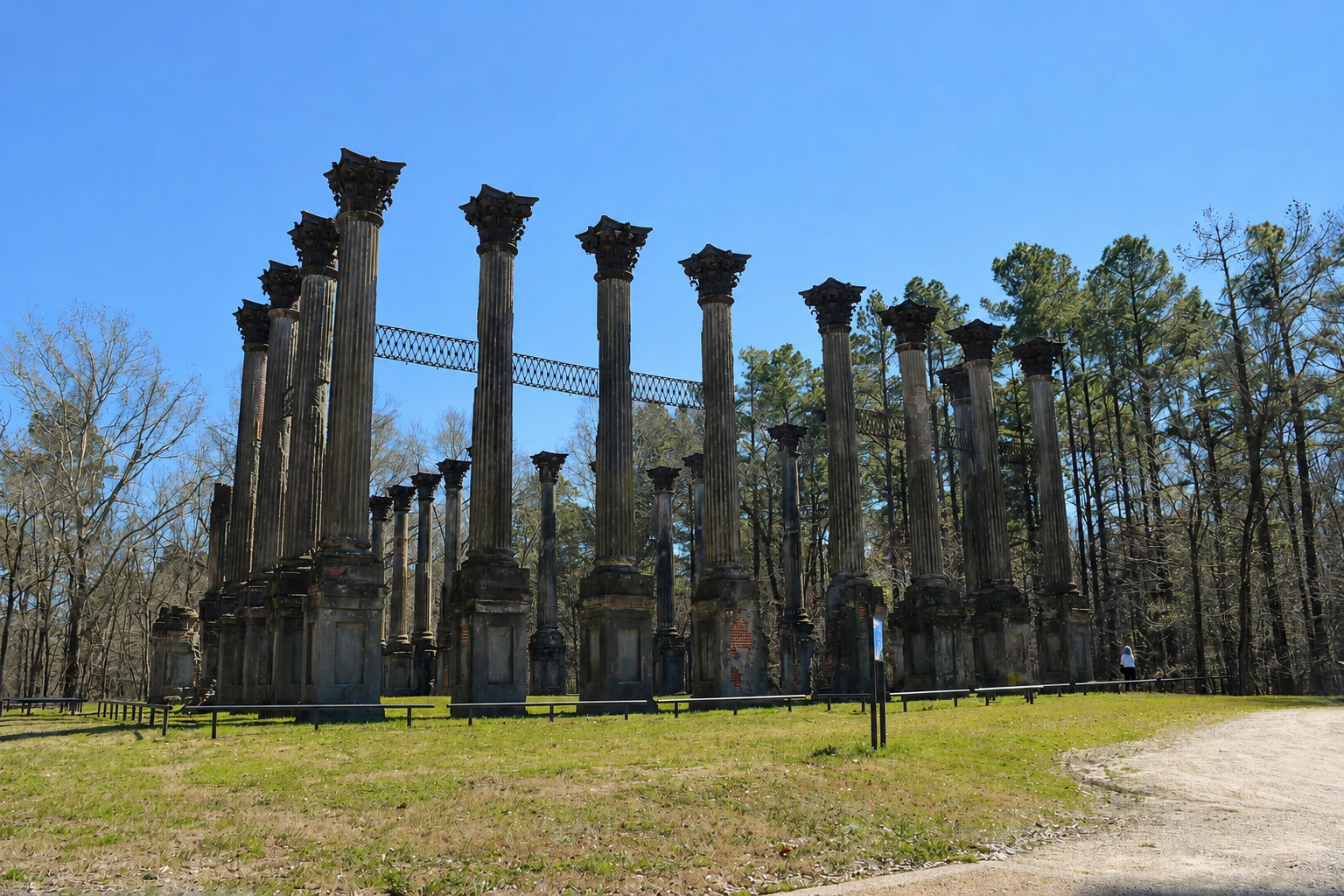
Windsor Ruins, Rodney
Windsor Ruins is one of Mississippi’s most recognized historic landmarks. Completed in 1861 for Smith Coffee Daniell II, Windsor Mansion was once one of the most impressive homes in Mississippi. When the mansion burned in 1890, its monumental Corinthian columns and iron stairs were the only surviving elements.
Since acquiring the site in 1974, the Mississippi Department of Archives and History has worked to preserve Windsor Ruins. Over the past decade, MDAH and a team of preservation professionals from around the country have undertaken extensive efforts to apply the most current rehabilitation techniques to stabilize and restore the surviving masonry columns and iron capitals.
The recently completed stabilization project represents a major milestone in the long-term preservation of the site, ensuring that one of Mississippi's most distinctive historic landmarks will continue to educate and inspire visitors for generations to come.
Spirit of Preservation Award
Chapel of the Cross, Rolling Fork
Originally constructed in 1924, Chapel of the Cross has long been a spiritual and architectural landmark in Rolling Fork. When the devastating tornado of 2023 struck the community, the church was nearly leveled, leaving only fragments of the historic building behind.
Rather than abandon their beloved church, the congregation set to work salvaging architectural elements including the altar rails, lectern, hymn board and stained-glass windows, which were incorporated into the rebuilt church.
The newly reconstructed church honors the history, beauty, and spirit of the original building, standing as a place of worship, remembrance, and hope for the community.
Awards of Excellence for Preservation Education
Kosciusko Downtown Map and Audio-Video Tour
The Kosciusko Downtown Map and Audio-Video Tour is an innovative preservation education project that combines traditional storytelling with modern technology to share the city’s rich history.
The project highlights sixteen historic sites throughout downtown Kosciusko using printed maps, QR codes, and mobile-friendly audio and video experiences. The tour explores the city’s connection to the Natchez Trace, early settlement, Native American history, the Civil Rights Movement, and notable local figures including James Meredith.
Developed through a partnership between the City of Kosciusko and Bad Hoss Ventures, the project has become both an educational resource and a heritage tourism initiative, making local history more accessible to residents, students, and visitors alike.
Long Beach Radish Festival
The Long Beach Main Street Association is being recognized for the successful revival of the Long Beach Radish Festival, a celebration rooted in the city’s agricultural heritage as the former “Radish Capital of the World.”
Once a beloved community tradition, the festival has been revived through partnerships with the City of Long Beach, local businesses, schools, and volunteers. Today, the festival reconnects residents and visitors with the city’s history through food, music, educational programming, and community events held in the historic downtown district.
A special part of this year’s festival included a student-produced play under the direction of 2026 Radish Queen Carol Paola, inspired by the book Rosalie and Radishes, which helped bring Long Beach’s story to life for a new generation.
This project demonstrates how heritage celebrations can strengthen community identity while preserving local history.
Outside the Walls: Reclaiming History with Community Spaces by Kevin Enos Brown
Outside the Walls: Reclaiming History with Community Spaces by Kevin Enos Brown reimagines preservation by recognizing everyday community spaces as important places of memory, storytelling, and cultural history.
Through case studies, oral histories, and community examples, the book highlights how schools, barbershops, and local gathering places can be used to bring local history to life. Brown’s work as Director of the Black History Gallery in McComb and his involvement in preservation projects across Mississippi bring a personal and community-centered perspective to this important contribution to preservation education.
Awards of Excellence for Distinguished Service
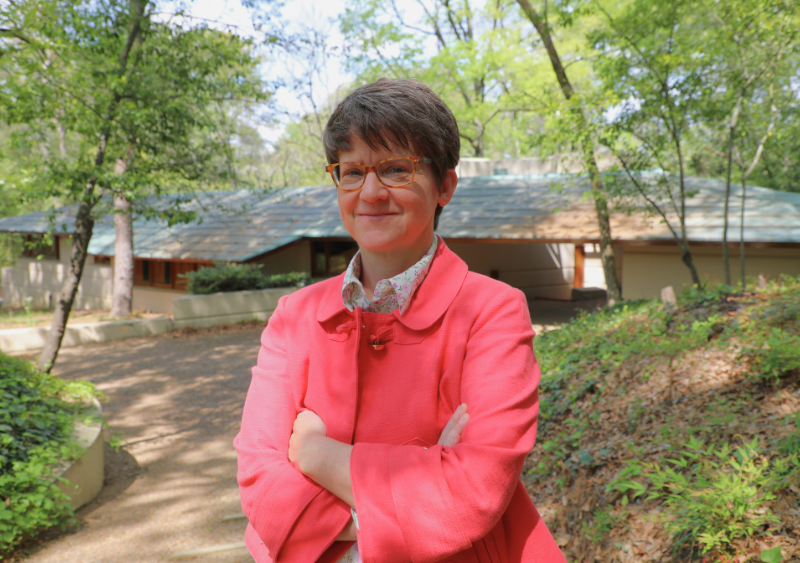
Jennifer Opager Baughn
Jennifer Opager Baughn has devoted more than twenty-five years to preserving and documenting Mississippi’s architectural and cultural heritage through her work with the Mississippi Department of Archives and History, where she served as both Architectural Historian and Chief Architectural Historian.
During her tenure, more than 400 listings were added to the National Register of Historic Places, helping communities across Mississippi recognize and protect their historic resources. Following Hurricane Katrina, Jennifer played a critical role in documenting damaged historic properties and guiding recovery efforts along the Gulf Coast.
In 2021, she co-authored Buildings of Mississippi with Michael Fazio and Mimi Miller, a comprehensive survey of the state’s architectural history that has become an important resource for preservationists, historians, architects, and students.
Jennifer’s lifelong commitment to preservation will continue as she begins a new chapter as curator of Fountainhead, the historic Jackson home currently being restored by the Mississippi Museum of Art.
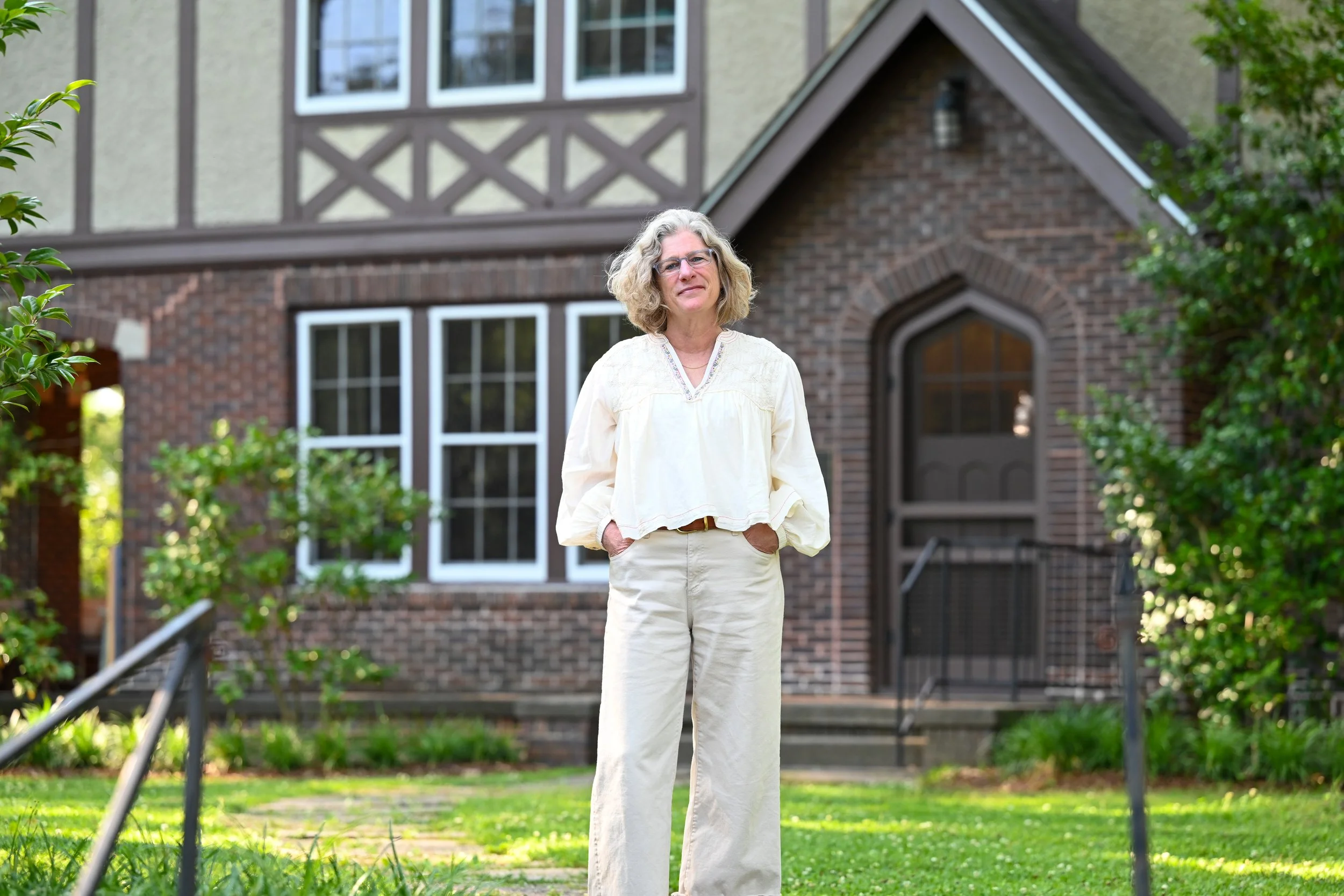
Katie Blount
For the past thirty years, Katie Blount has been committed to preserving and interpreting Mississippi history. In 2015, she became the second woman to head the Mississippi Department of Archives and History since its founding in 1902.
Under Katie’s leadership, MDAH has strengthened preservation partnerships across Mississippi while increasing public access to history through education, community engagement, and preservation funding. Her tenure has seen the continued growth of the Community Heritage Preservation Grant Program, major investments in state-owned historic sites, the creation of the Two Mississippi Museums, and the preservation of nationally significant places including the Medgar and Myrlie Evers House National Monument.
Through her vision, leadership, and commitment to public service, Katie has helped ensure that Mississippi’s history remains accessible, relevant, and meaningful to future generations.
Award of Excellence for Preservation Craftsmanship
A+ Signs & Creative
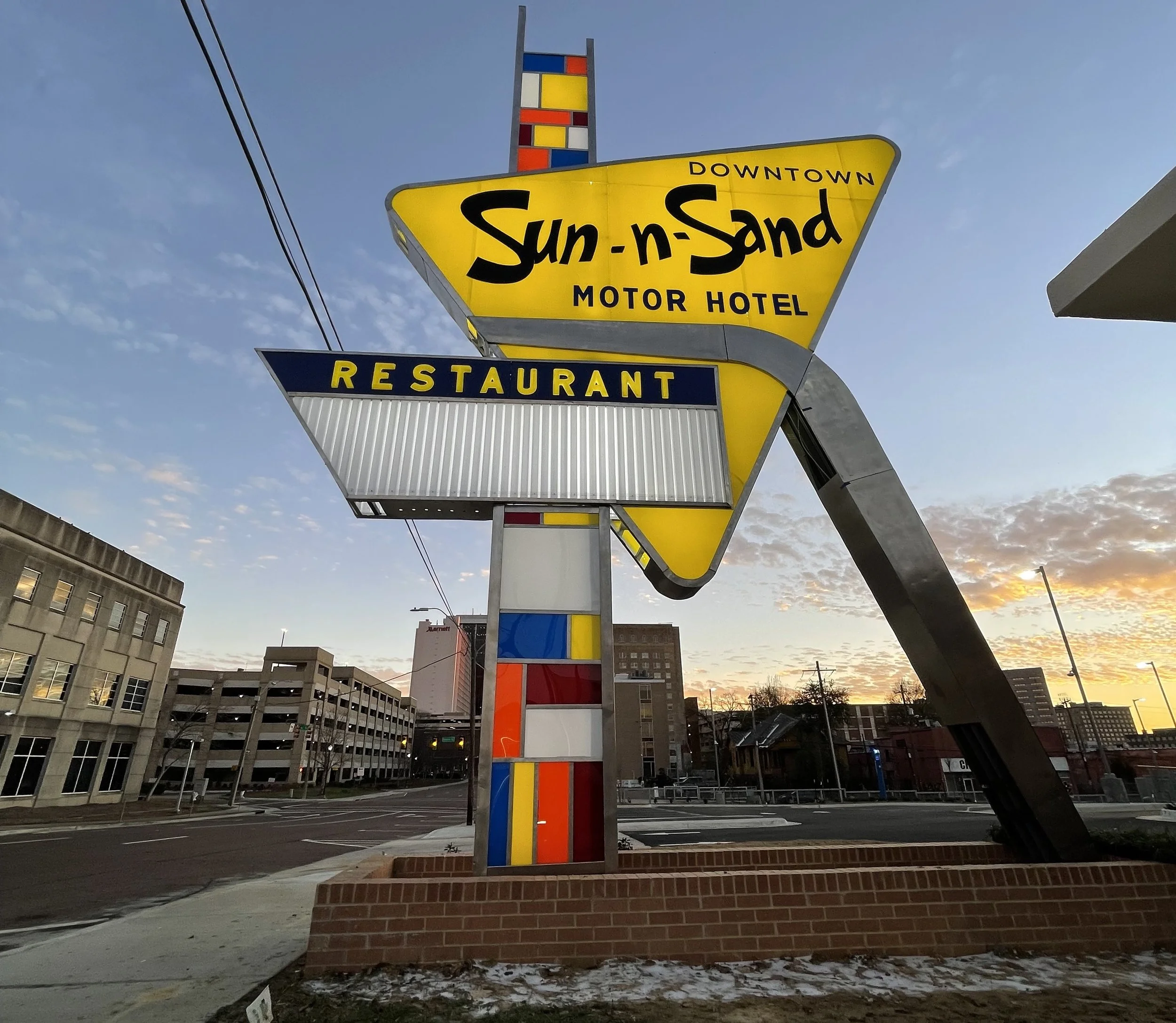
For more than twenty-five years, A+ Signs & Creative has played an important role in preserving some of Mississippi’s most recognizable landmarks through the restoration of historic painted signs, neon signs and architectural features.
Led by owner Scott Allen, the company combines traditional craftsmanship with modern fabrication techniques to restore the visual elements that help define the character of historic places. Their work includes the restoration of signs for the Mayflower Café, Sun-n-Sand Motel, and the Capri Theatre—landmarks that serve as important reminders of Mississippi’s architectural and cultural heritage.
A+ Signs & Creative demonstrates that preservation is about more than buildings. Historic signs are often the most visible and recognizable symbols of a place, connecting communities to their past while contributing to the vitality and identity of historic downtowns and neighborhoods.
Award of Excellence for Outstanding Achievement in Public Policy
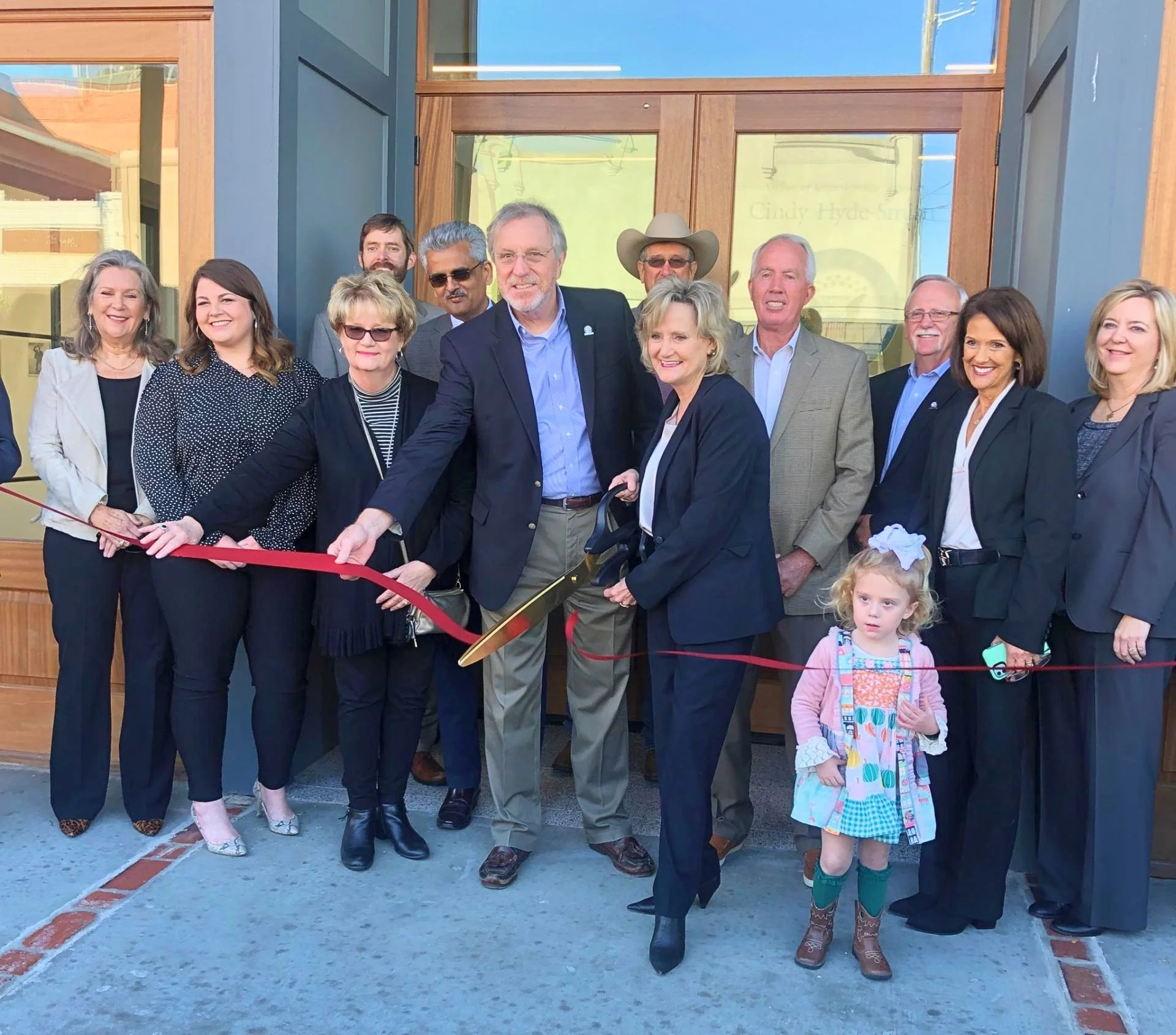
Senator Cindy Hyde-Smith
A native of Lawrence County, Senator Cindy Hyde-Smith has long been an advocate for historic preservation, recognizing the important role historic places play in education, heritage tourism, economic development, and community identity.
While serving in the Mississippi State Senate, she helped secure funding to save the historic Lawrence County Civic Center, transforming the former Monticello Consolidated School into a thriving community asset.
In the United States Senate, she has continued to champion preservation initiatives, including legislation supporting the Grand Village of the Natchez Indians and Jefferson College, protection of nationally significant battlefields, and the long-term future of National Heritage Areas. In recognition of these efforts, she was named a Heritage Champion by the Alliance of National Heritage Areas.
Through her leadership and advocacy, Senator Hyde-Smith has helped protect and promote Mississippi’s historic resources for future generations.
Award of Excellence for Stewardship of Historic Sites
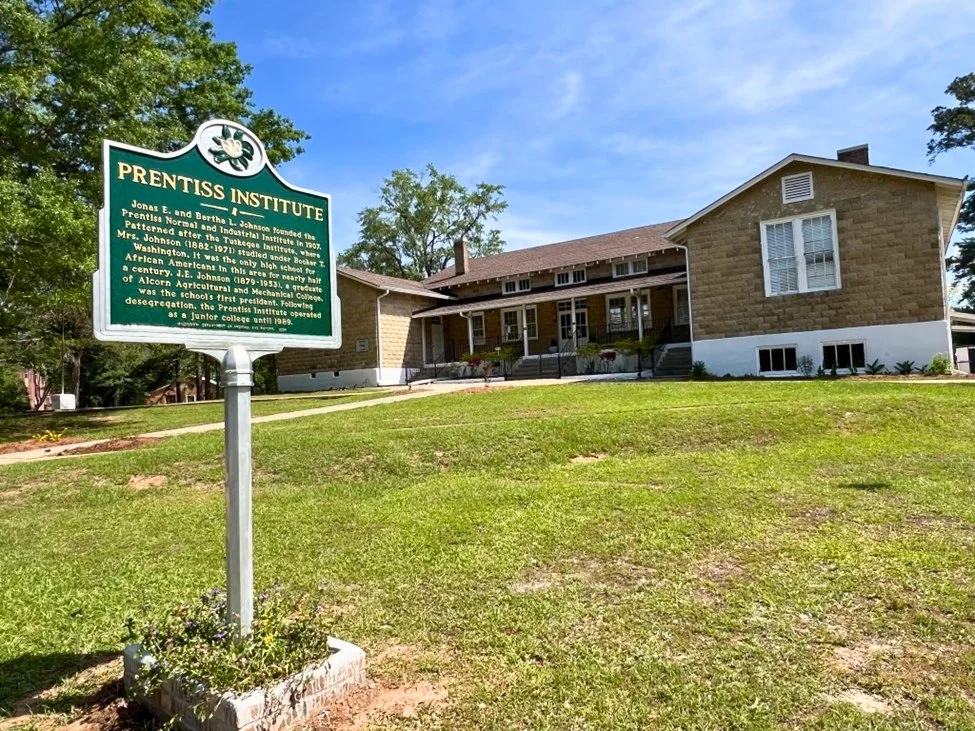
Prentiss Institute Board of Regents
Founded in 1907 by Professor Jonas Edward Johnson and Bertha Lee Branche Johnson, Prentiss Institute became one of the South’s most important educational institutions for African American students. For more than eighty years, the campus educated generations of teachers, ministers, business leaders, and professionals who went on to shape communities throughout Mississippi and beyond.
Under the leadership of the Prentiss Institute Board of Regents, significant preservation efforts have ensured that this legacy continues. In 2013, the Board completed the restoration of the campus’s historic Rosenwald School building, preserving one of the most significant structures associated with the school’s history.
Recent accomplishments include the installation of a historical marker recognizing the significance of Prentiss Institute and its founder, Professor Jonas Edward Johnson, along with the creation of a pathway connecting the campus to the Longleaf Trace, strengthening both public access and awareness of this important historic site.
Award of Excellence for Preservation of African American Heritage
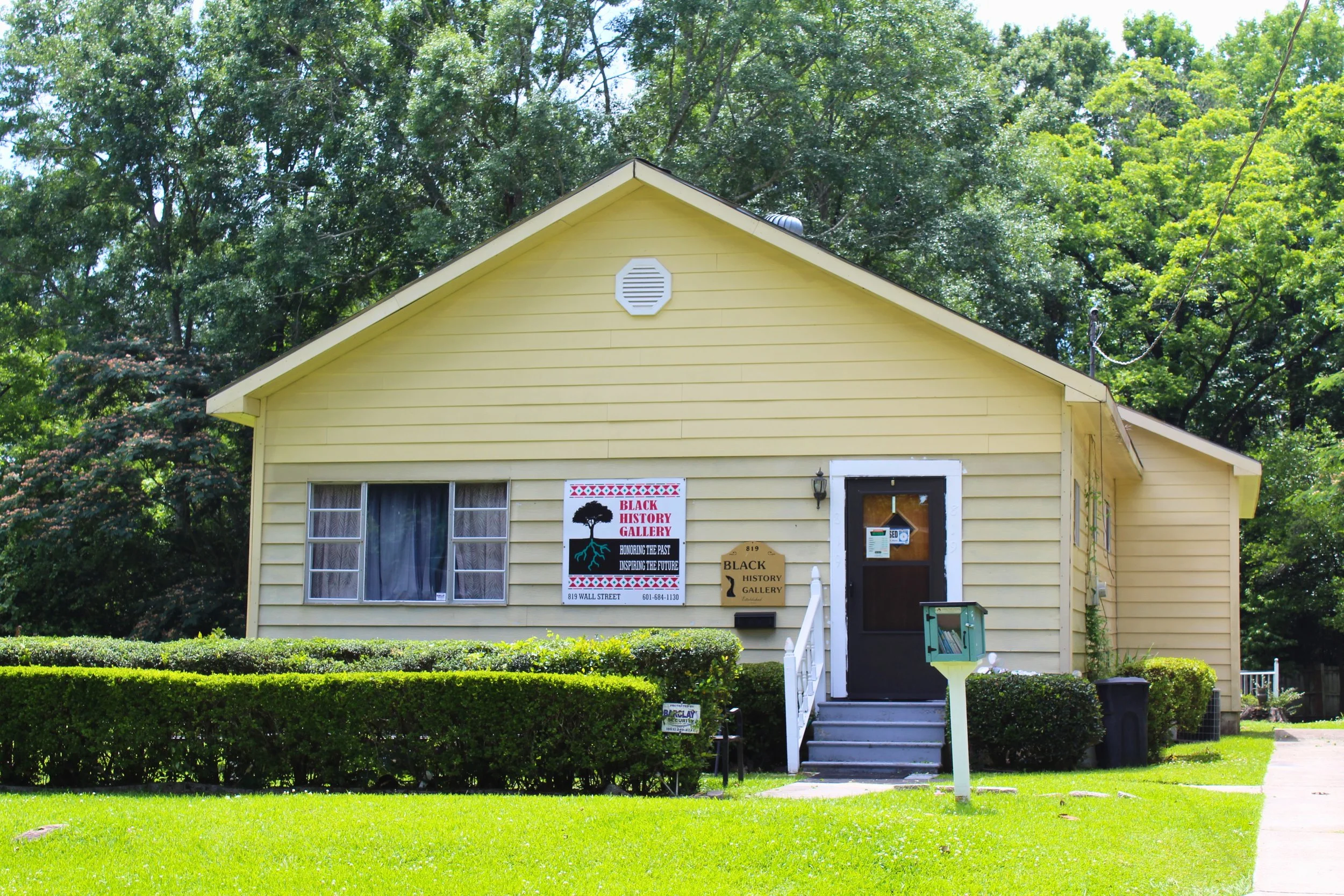
The Black History Gallery, McComb
The Black History Gallery in McComb is a powerful force for preserving and sharing the history of African American life and the Civil Rights Movement in southwest Mississippi.
Through innovative programming, educational initiatives, and community partnerships, the Gallery has transformed preservation into an active and community-centered experience. Its work includes partnerships to secure Mississippi Freedom Trail markers, recognition of historic Green Book sites, oral history initiatives, and events celebrating Black entrepreneurship and civic engagement.
By combining preservation, education, community dialogue, and cultural storytelling, the Black History Gallery serves as a model for how grassroots preservation can strengthen both historical understanding and community identity.
Mississippi Heritage Trust Board of Trustees Award for Organizational Achievement
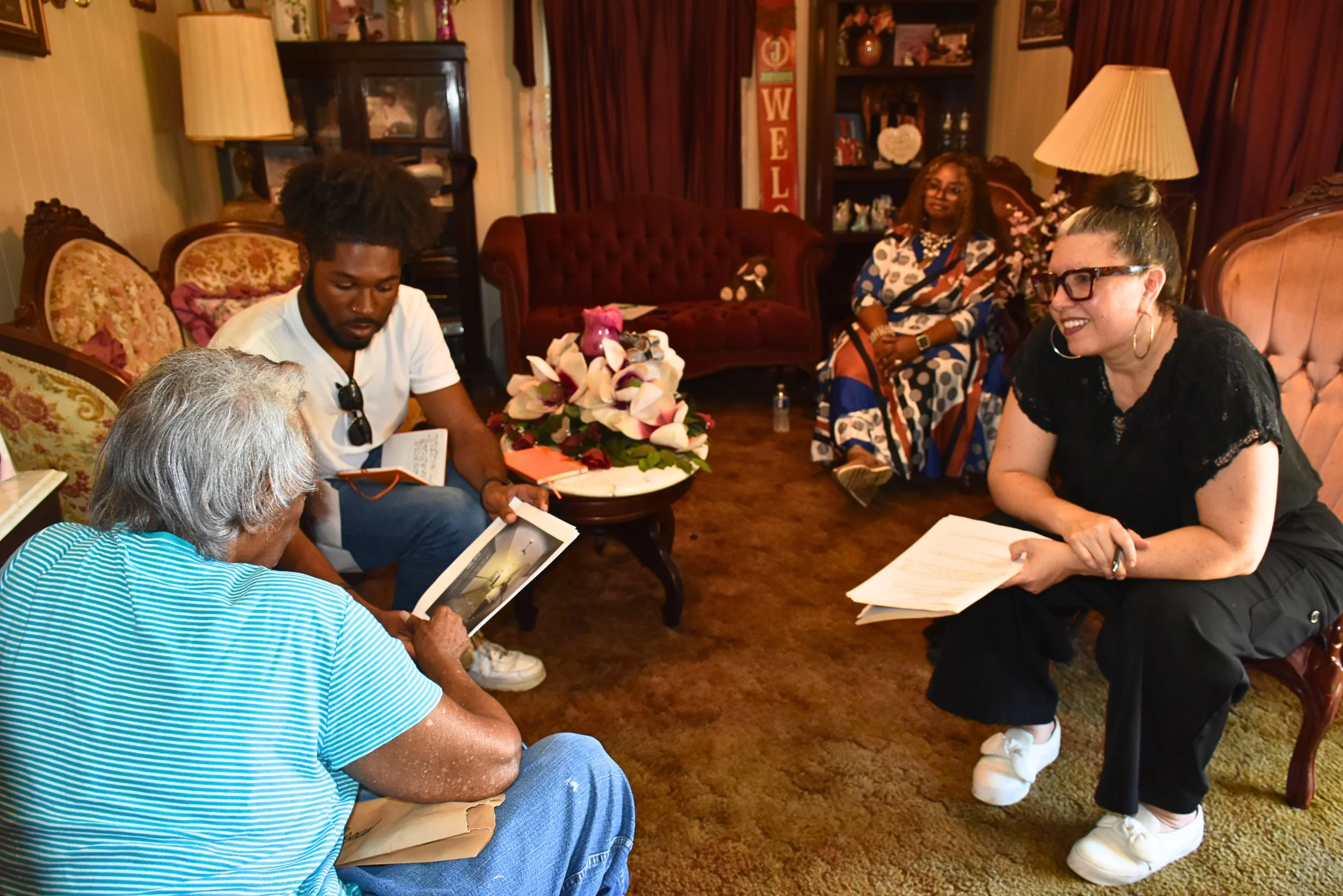
The SouthWay Foundation
Founded in 2021, The SouthWay Foundation advocates for preservation in historically under-resourced communities. Through grant writing, project planning, coalition building, and community partnerships, SouthWay has helped preserve important African American historic sites and stories across Mississippi, Alabama, and Tennessee. Its work supports projects tied to the legacy of Unita Blackwell, Emmett Till, Mound Bayou, Rust College, and Rosenwald Schools.
By combining technical expertise with deep respect for local leadership and community memory, SouthWay has become a model for collaborative, community-centered preservation work across the South.
Mississippi Heritage Trust and Mississippi Department of Archives and History Award for Historic District Preservation
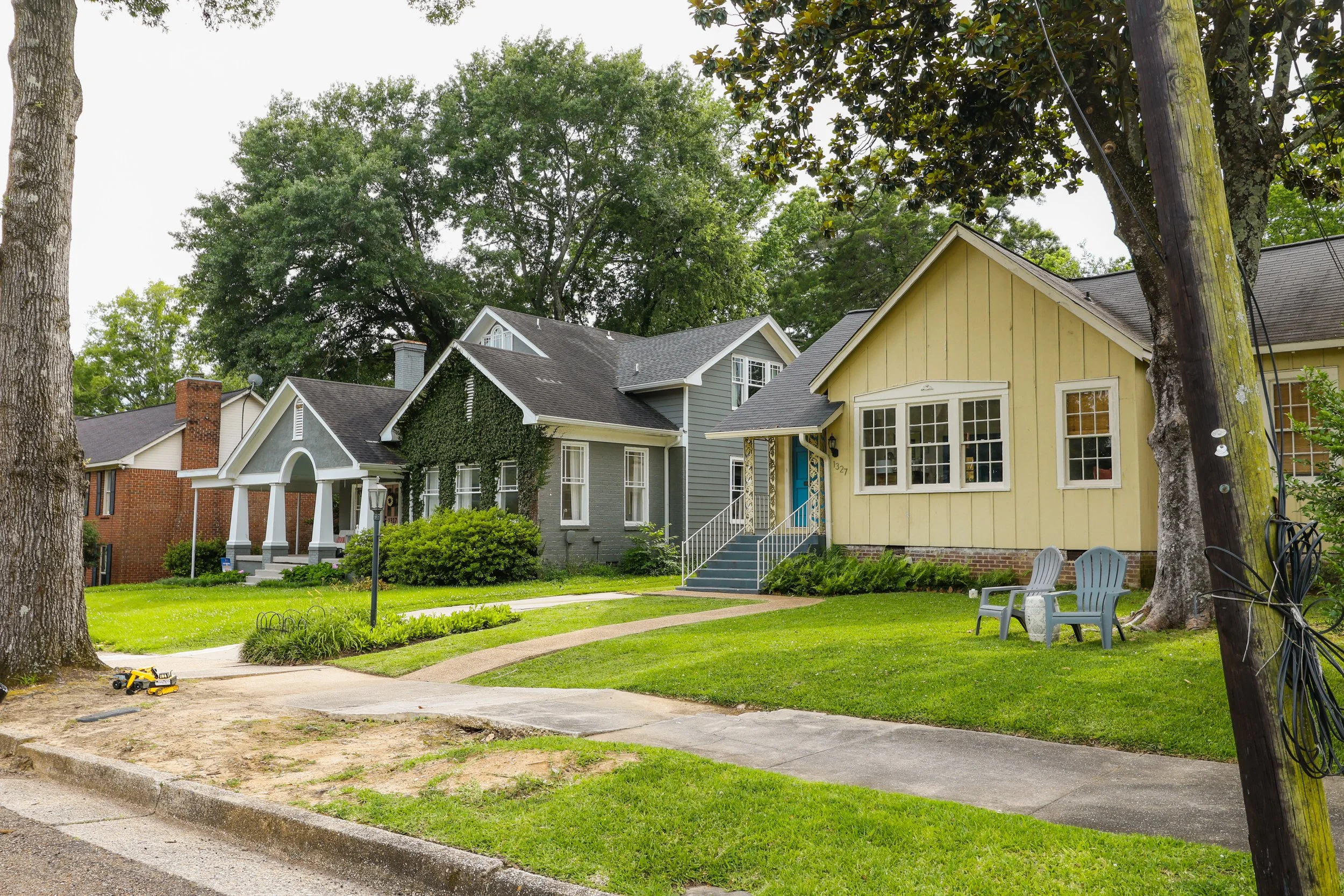
Greater Belhaven Foundation
Through preservation education, neighborhood partnerships, public engagement, and strategic investment, the Greater Belhaven Foundation in Jackson has demonstrated how preservation can support not only historic architecture, but also neighborhood stability, safety, and quality of life.
The Foundation helps residents better understand historic district guidelines and preservation processes through its “Love Your Haven” campaign and ongoing outreach efforts that encourage stewardship and reinvestment throughout the neighborhood.
The organization has also supported improvements to public spaces such as Belhaven Park, while arts and cultural programming including Movies in the Park, Shakespeare in the Park, and the Fairy House Hunt continue to strengthen neighborhood identity and community pride.
By combining preservation, education, public safety partnerships, and community engagement, the Greater Belhaven Foundation has created a model for neighborhood-based historic district preservation in Mississippi.
America 250 Award
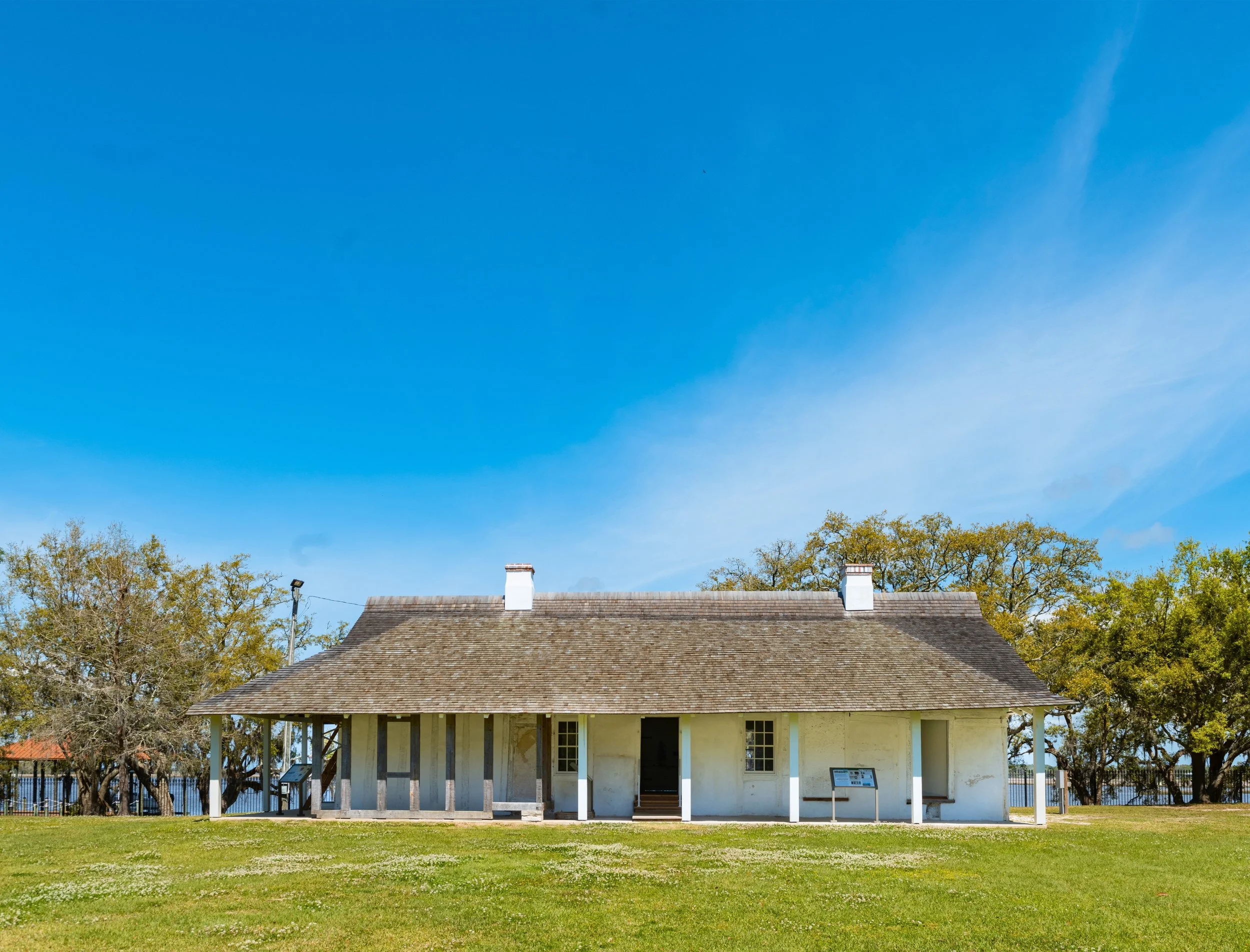
The LaPointe-Krebs House, Pascagoula
Constructed in 1757, the La Pointe–Krebs House is recognized as the oldest scientifically confirmed structure in the United States between the Rocky Mountains and the Appalachian Mountains. The house reflects the complex history of the Gulf Coast before and during the American Revolution and remains a tangible link to the colonial, Native American, French, Spanish, and early American influences that shaped the region.
In the 1940s, the Pascagoula Historical and Genealogical Society stepped up to ensure the preservation of the house. Over the years, the Pascagoula Historic Preservation Commission and the LaPointe-Krebs Foundation have also served as stewards for the house, including oversight of the recent major restoration funded by the Mississippi Department of Archives and History that ensured that this extraordinary landmark will continue to educate and inspire future generations.
The LaPointe-Krebs House was recently the setting for a community-wide America 250 celebration, featuring historical interpretation, living history presentations, music, genealogy research, and programs highlighting the Gulf Coast's role in the American Revolution.